 By skyforbes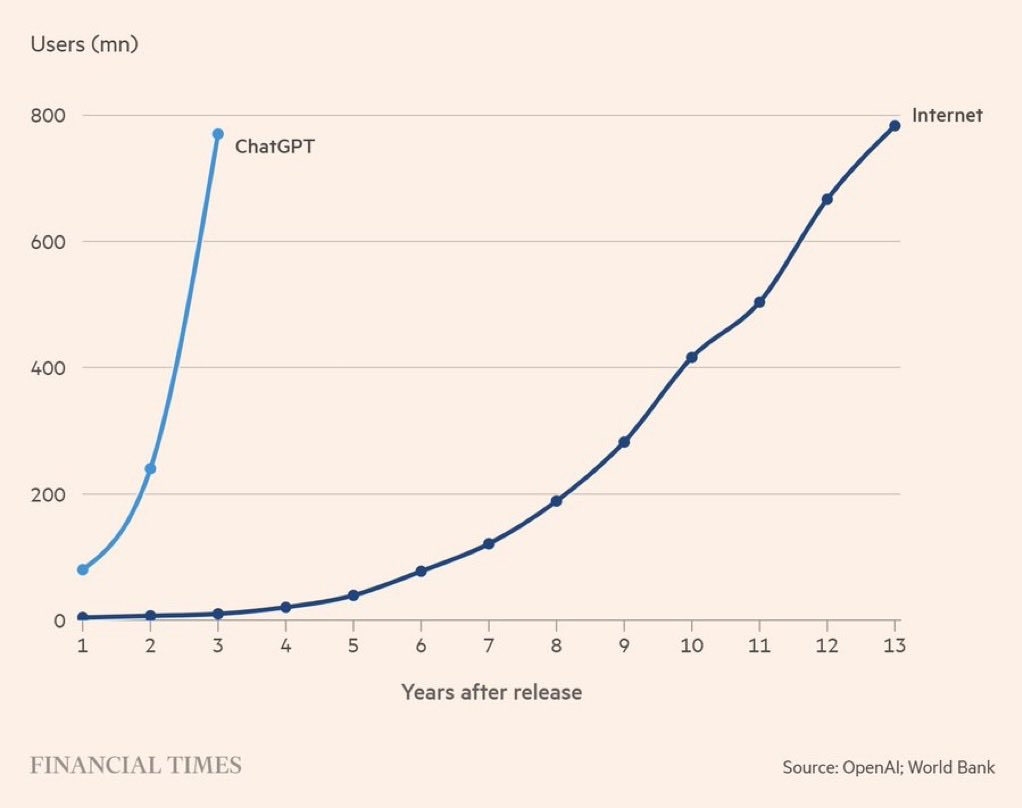

When Technology Grows Faster Than Society: The Speed of ChatGPT and the New AI Era
Just over a year ago, most people had never heard of ChatGPT. Today, it stands as one of the fastest-growing tools in human history. Within just a few months of launch, ChatGPT reached a user base that earlier technologies like the internet took many years to gather. This kind of growth is not common. It’s a sign of a shift in how quickly new tools are accepted and absorbed into daily life.
Unlike apps that take time to learn or require updates to systems, ChatGPT met people where they were. No new device was needed. No training required. Just a simple box where anyone could ask a question or request help. This kind of ease, combined with usefulness, made it an instant part of how many people live and work.
Comparing AI and the Internet: A Study in Speed
The rise of the internet was also powerful, but it was gradual. In the early 1990s, internet access was limited, slow, and expensive. You had to dial in. Pages loaded line by line. And it took years before it became common in schools, homes, and businesses. By contrast, ChatGPT reached hundreds of millions of users in under two years. The internet took nearly a decade to cross the same threshold.
AI, in this case, had the advantage of timing. It came into a world already shaped by mobile phones, cloud storage, app stores, and social networks. These systems made it easy for people to try and share new tools instantly. AI didn’t build the highway — it drove on one that was already there.
Why ChatGPT and Other AI Tools Spread So Quickly
There are a few key reasons why AI tools, especially ChatGPT, have been adopted so fast. First, they are incredibly easy to use. You don’t need instructions. You simply ask a question or make a request, and the system replies. It feels natural. People quickly understand what it does and how it helps them.
Second, the results are instant. When someone sees that it can write a report, fix a sentence, explain a legal term, or solve a math problem, they are impressed. But more than that, they see value. It saves time. It supports thinking. It offers answers that usually take longer to find. In short, it adds something right away.
Third, people talk. A student shows it to a classmate. A manager shows it to their team. A designer uses it and shares the results online. Word spreads faster than ever before. And as more people use it, more people trust it.
The Risk of Fast Growth
But with speed comes pressure. When tools grow faster than society can prepare for, problems appear. This happened with the internet. At first, it was open and full of hope. Then came spam, scams, privacy loss, misinformation, and attention problems. Because we were slow to build rules, the negative side grew along with the good.
The same is true for AI. It is growing even faster than the internet did. But the systems that manage how it’s used — laws, education, workplace rules, even culture — are still catching up. That gap can lead to confusion, fear, or harm.
For example, many workers now worry about being replaced. Not just in factories, but in offices. AI can write, code, translate, summarize, and analyze. People feel pressure to use it or be left behind. But not everyone knows how. This creates inequality. Those who learn fast get ahead. Others may lose chances, not because they aren’t smart, but because they weren’t shown the tools.
In schools, students can now complete assignments with AI. This creates a challenge for teachers. How do you measure learning when a machine can do the work? What does education mean when you can just ask and receive?
In creative fields, artists and writers now compete with systems that can generate text, music, or images. Some see this as inspiration. Others feel replaced. The line between real and machine-made is blurry.
The Hidden Divide
There’s a new kind of gap in society. In the early internet days, we talked about the digital divide — people who had computers and those who didn’t. Today, the divide isn’t about access to devices. It’s about skill. Some people know how to use AI well. Others don’t. Some understand how to question what it says. Others take it at face value.
This usage divide affects jobs, learning, confidence, and opportunity. If one person uses AI to prepare for a job interview while another struggles alone, the outcome is predictable. This gap is less visible, but just as serious.
AI’s Impact on Work
AI is not just a new tool. It’s changing the nature of work. In customer service, fewer people are needed when AI can handle routine questions. In content creation, fewer drafts are written by hand. In programming, AI suggests full blocks of code. Even in legal or medical research, summaries and suggestions can be machine-generated.
This doesn’t mean humans are not needed. But it does mean that the way we work, and the kinds of skills that matter, are changing. Soft skills like communication, ethics, and creativity become more important. So do judgment, critical thinking, and understanding context — things machines don’t truly master.
At the same time, companies can move faster and save money. But there’s a tradeoff. Less human interaction. Less time spent understanding the bigger picture. Less care in the process. These losses are subtle, but they add up.
AI and Personal Life
Beyond work, AI is reshaping daily routines. People use it to plan meals, write letters, improve resumes, or even talk about emotions. It becomes a quiet companion in private life. But this also changes how people think and reflect. When answers come instantly, people may stop exploring deeper. When support is always available, people may grow less comfortable with silence.
AI can help. But it can also distract. If you ask it to tell a joke, it will. If you want it to write a story, it does. These are fun. But they also shift attention away from real conversations, shared moments, and personal growth.
The Role of Governments and Schools
The speed of AI means that governments and schools are under pressure. How should children learn in a world where machines can write essays? What laws should protect people from bias, surveillance, or manipulation? Who checks what AI says when it’s used in courtrooms, banks, or hospitals?
These are not small issues. And they need answers soon. Otherwise, the same thing that made AI powerful — its speed — will also make it hard to manage.
Open tools can help. Teaching people how AI works is key. Not everyone needs to be a scientist. But everyone should understand that AI is trained on data, that it can be wrong, and that it has limits. This helps people use it wisely.
Transparency also matters. People should know when they’re talking to a machine. They should know if their data is used to train future systems. And they should have the right to say no.
What Comes Next?
AI won’t stop. It will grow into more parts of life. It will speak more languages, connect to more systems, and become part of watches, phones, cars, and homes. But this does not mean the human role ends. On the contrary, it becomes more important.
Humans bring meaning, values, emotion, and care. Machines bring speed, memory, and prediction. Together, they can build something useful. But only if the human side remains strong.
That means promoting thoughtful use, not just fast use. Supporting people in learning the tools. Making sure that AI works for everyone, not just those with the most resources. And remembering that the goal is not just to make things faster — but to make life better.
Final Thoughts
The chart that shows AI’s rise compared to the internet is powerful. But behind the numbers is a deeper story. A story about how fast we are changing. About the choices we face. And about the kind of world we want to build.
This is not a story of replacement. It’s a story of adjustment. AI can be a partner, not a threat. But that depends on how we use it, how we teach others about it, and how we protect what makes us human.
The internet brought us together. AI is now helping us understand, create, and decide. If we move with care, honesty, and clarity, this moment in history can become a good one. Not because the machines are smart — but because the people using them are wise.