 By skyforbes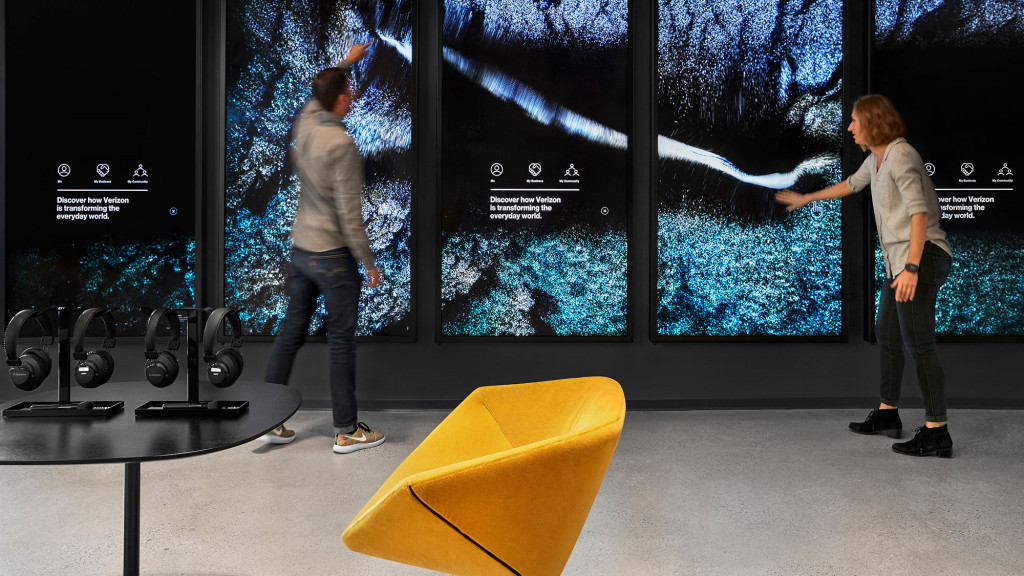
For many organizations, from technology, to finance, to sports teams, Customer Experience Centers (CECs) are the catalyst for developing and fostering customer relationships. Originally known as Executive Briefing Centers (EBCs), these spaces were designed to support a one-way communication approach to sales where organizations presented their latest tools and solutions to customers without a focus on customer feedback or collaboration. It’s no longer enough to brief customers on a company’s vision or court prospects with a verbose sales pitch. As audiences have become more savvy, diverse, and informed, we recognize that customers want more than to be talked to — they want an experience that feels both personal and authentic. As a result, the traditional briefing center has become an immersive space that connects customers to the brand.
Create an experience that matters
To achieve a personal and authentic experience, a CEC must be flexible while remaining true to the brand itself. Design elements should include seamlessly adaptable spaces, multi-faceted digital experiences, and a tangible feeling of the brand’s identity. User-centric spaces should include hospitality-driven gathering areas and amenities, combined with strong “this is who we are” moments throughout. This allows businesses to modify the experience for a wide range of client expectations while offering a guided experience that feels personal, effortless, and natural.
To deliver an impactful brand experience, a CEC should surround customers with the company’s story while clearly expressing what makes that organization unique. According to Janice Cavaliere, Gensler design principal and regional brand leader, designing an experience center should focus less on controlling the brand’s message and more on developing a fluid relationship with the customer by giving them some ownership over the experience. “Increasingly, the need for easily changeable dynamic content is becoming a driver in shaping the space. Content often reflects the brand through the lens of customers and partners, and the relevance to their industries.” To truly connect customers with the organization, a designer should consider what differentiates the brand from the competition and leverage that at every touchpoint.