 By skyforbes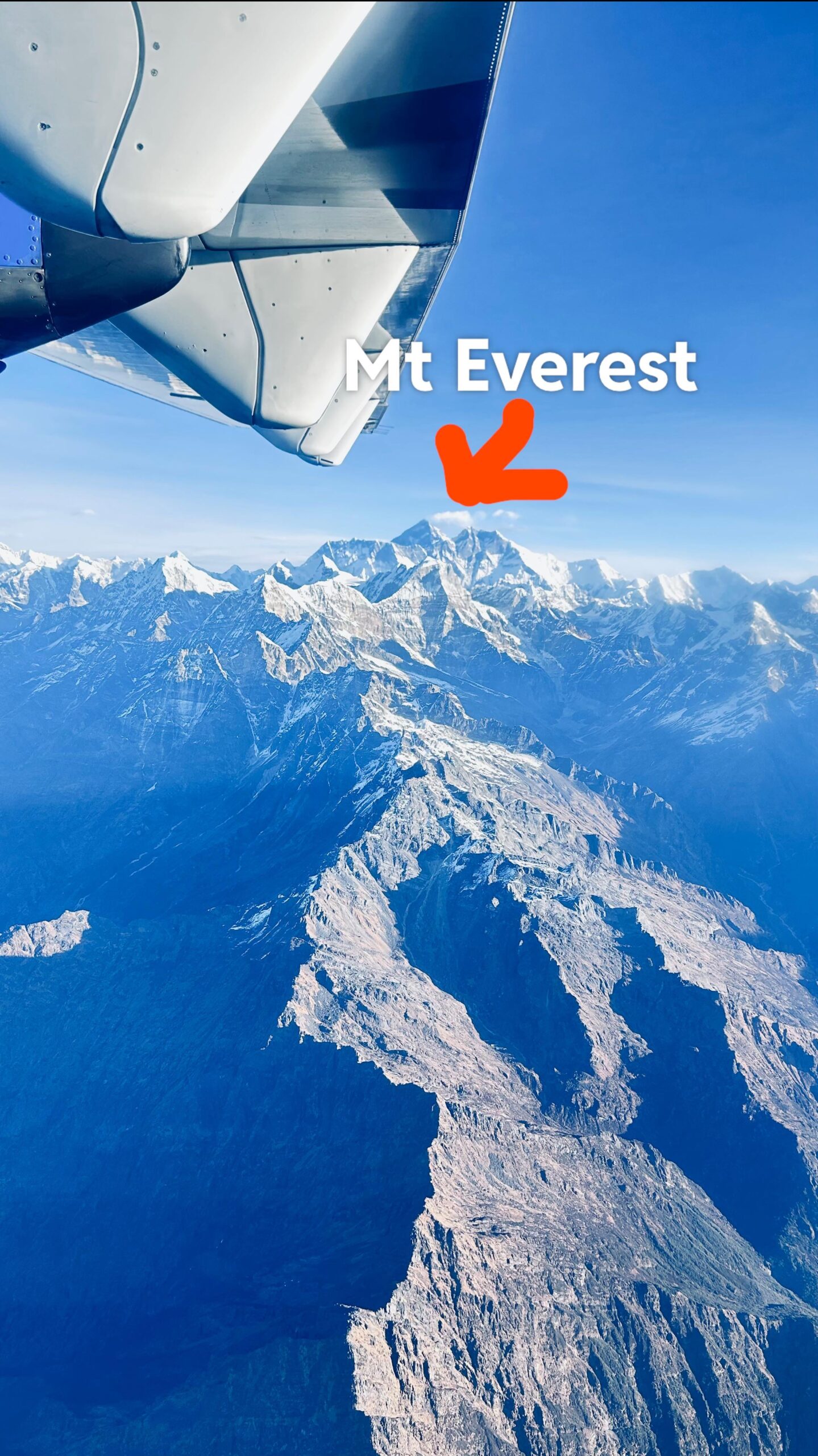

I did not use ChatGPT just to “plan an itinerary”. It ended up helping me in dozens of small, very practical ways throughout the trip. Not in a futuristic or gimmicky way, but in a “this actually reduced my stress in real time” way.
For context, this was my first proper solo international trip. I had limited time, tight flights, a lot of anxiety about logistics, and I tend to overthink everything. Nepal was unfamiliar terrain for me culturally, geographically, and practically.
Here’s how ChatGPT actually helped, step by step.
Before the trip
It helped me decide whether Nepal made sense at all given the season, my travel style, and my energy levels. I had initially considered trekking, then realised I was not a hardcore trekker. ChatGPT helped me sanity-check that and pivot toward a more culture and experience focused trip instead of forcing myself into something I would not enjoy.
It helped me choose between Kathmandu and Pokhara, how many days to allocate, and what was realistic without rushing. Not aspirational plans. Realistic ones.
It helped me think through flights, connections, arrival times, and buffer time so I didn’t stack my days too aggressively.
It also helped me build packing lists that were actually useful. Not generic travel blogs, but specific things like power banks, clothing layers, medicines, SIM cards, adapters, cash planning, and what I could skip.
During the trip
This is where it really shined.
I used ChatGPT like a live decision partner. When I landed and felt disoriented, I asked what to do between certain hours. When plans fell through or places were closed, I asked what to do next instead of panicking.
It helped me plan same-day itineraries on the fly. For example:
• What to do in Kathmandu between 5 pm and night
• Whether Pashupatinath Aarti made sense at a given time
• What to do at Boudhanath in the evening
• Whether Durbar Square or Patan made more sense given where I was standing
I literally shared my location and time window and asked “what now?” and got calm, structured answers instead of doom-scrolling Google Maps reviews.
In Pokhara, it helped me decide between activities based on weather, time left, and energy. It helped me plan paragliding, Peace Pagoda, Lakeside wandering, and airport timing so I didn’t miss flights.
It also helped with very small but important things:
• What side of the plane to choose for mountain views
• What to eat when I felt nauseous after paragliding
• Whether to rest or push through when I felt overstimulated
• What to do when I felt like I had “wasted” a day and was spiralling
Cultural and contextual help
This was unexpected.
I asked about temples, rituals, symbols, statues, and art I was seeing. Instead of just looking at things, I actually understood what I was looking at.
When I bought saligram stones, ChatGPT helped me understand how to identify them, what they represent, and what size and shape variations mean.
When I saw paintings or shrines and didn’t understand them, I asked and got explanations that made the visit feel richer.
It made the trip feel less like ticking off spots and more like engaging with the place.
Emotional regulation
This might sound dramatic, but it mattered.
There were moments where I felt regret about money spent, missed flights, lost time, or plans not working out. I used ChatGPT almost like a sounding board to talk through that instead of spiralling alone in a hotel room.
It helped me reframe situations without dismissing the frustration. Not motivational quotes. Just grounded perspective.
Content and sharing
It also helped me write captions, posts, and reflections in a way that actually sounded like me. Including a deliberately self-aware LinkedIn post about bungee jumping where I openly admitted I was just showing off.
That might sound trivial, but it reduced the mental load of trying to “perform” online while travelling.
What surprised me
This wasn’t about replacing planning or decision-making. It was about reducing friction.
Instead of juggling ten tabs, reviews, blogs, and opinions, I had one place to think out loud and get structured responses. Especially useful when tired, jet-lagged, or overwhelmed.
I did not follow everything blindly. But having a calm, consistent reference point while travelling solo was incredibly helpful.
Would I do it again
Absolutely.
Not because ChatGPT is magical, but because it worked like a patient, non-judgmental assistant who didn’t get annoyed when I changed my mind, asked obvious questions, or needed reassurance.
For solo travellers, especially first-timers or overthinkers, this can genuinely improve the experience.
Curious if others have used it this way while travelling, or if I just accidentally turned an AI into my travel buddy.
Happy to answer questions.